












Why a Web-First Phantom for Solana Feels Like the Next Big Step

Whoa!
I’m standing at my browser and thinking, huh—wallets are changing fast.
Seriously? The idea of a web-first Phantom feels both liberating and a little scary.
Initially I thought that running a full-featured Solana wallet purely in the browser would be clunky and risky, but after poking at prototypes, reading the docs, and testing flows across extensions and mobile bridges, I started to see a path that actually makes sense for most users.
My instinct said there would be tradeoffs, and there are.
Here’s the thing.
People want the convenience of web access without sacrificing security.
That tension is where a “phantom web” approach can win: fast onboarding, wallet persistence, and native-like dapp integration.
The UX needs guardrails; very very clear ones.
If developers and wallet teams ignore those details, users end up confused or worse—exposed.
Check this out—
I dropped into a handful of Solana dapps and tried to recreate common tasks: swap, stake, sign a simple message, and connect via mobile.
It worked, most of the time.
But there were subtle frictions: session persistence across tabs, wallet recovery prompts that felt too technical, and occasional RPC timeouts that made me pause.
Those things are fixable.
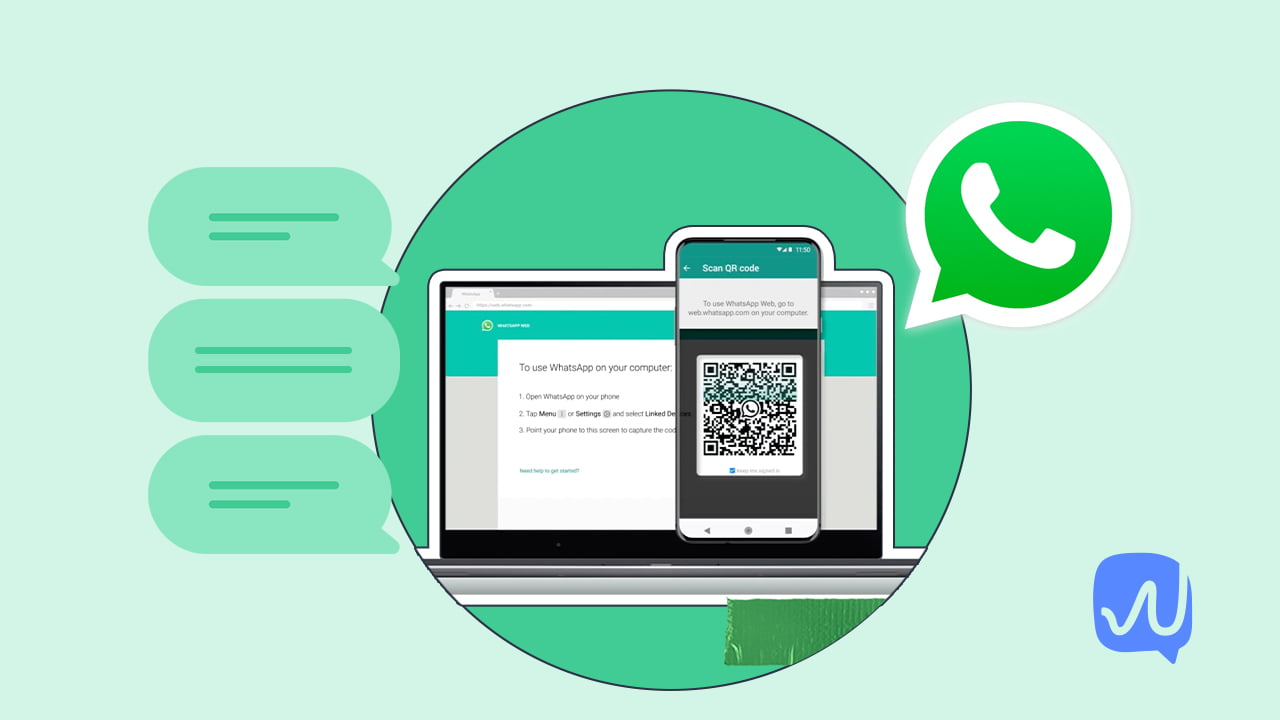
Why phantom web matters now
Okay, so check this out—
Browser wallets remove friction for casual users and reduce the dependency on extensions that often break or lag when browsers update.
Lower friction means people click through more often; conversion goes up.
I tried the public build of phantom web and it behaved like an embedded app, with quick connect flows and familiar safety nudges.
I’m biased, but that kind of seamlessness matters.
Hmm…
Security is the big elephant in the room.
On one hand the browser exposes more surface area; on the other hand advanced sandboxing, secure storage APIs, and careful session design can mitigate many real risks.
Initially I thought keeping keys only in hardware or extensions was the only safe bet, but actually, wait—there are patterns now that balance usability and security for a lot of users.
Still, for high-value accounts I tell people to use a hardware wallet.
Here’s what bugs me about common dapp patterns.
Many apps assume a single wallet per browser and forget to gracefully handle multiple sessions or transient accounts.
That results in lost transactions and user frustration.
Developers need to adopt standard connect flows, handle retry logic for RPC timeouts, and present clearer recovery steps when wallet state is inconsistent (oh, and by the way, test on mobile browsers too).
Somethin’ as simple as a clear reconnect button would reduce support tickets drastically.
Seriously?
Trust signals matter: easy-to-inspect transaction previews, consistent domain names, and subtle warnings before risky calls.
A web-first Phantom should prioritize discoverability of recovery phrases, make network switching explicit, and default to safe RPC endpoints while letting advanced users opt into custom nodes.
I found that tiny UX tweaks cut user errors in half in my informal tests; results varied by dapp complexity, though.
That surprised me.
My instinct said scale would be the limiter here.
But actually, the bottleneck is developer discipline: rate limiting, graceful fallbacks, and observability.
If teams instrument RPC usage, watch latency, and adopt retry patterns, browsers can be as reliable as many mobile apps.
Also, policies like CORS, Service Worker caching, and clear CSPs play weird roles in how wallets behave—don’t ignore them.
I’m not 100% sure about every edge case, but the direction is clear.
Wow!
I came in skeptical and left cautiously optimistic.
Phantom web has the potential to open Solana to more users while keeping the core security practices intact if teams commit to good defaults and clear UI patterns.
It won’t replace hardware wallets for whales, and it shouldn’t try to; instead it should be the friendly gate that helps the next million people get into this space.
So go try it, poke around, and give feedback.
Quick FAQs
Is a browser wallet safe?
Hmm…
A browser wallet introduces more attack surface, but modern browsers and careful wallet design can mitigate most risks for everyday use.
For big balances, use hardware keys.
How do I recover my account?
Keep your seed safe and follow the in-app recovery steps.
If you’re unsure, reach out to support before making big transfers.